

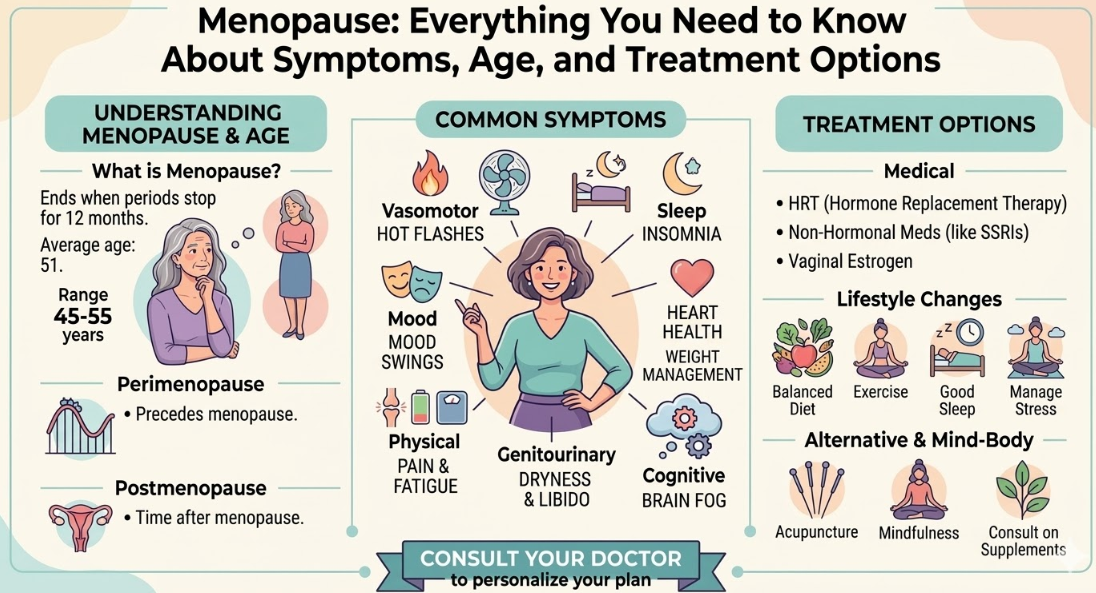
Menopause is a natural phase in a woman’s life that marks the end of menstrual cycles and fertility. While it is a normal biological process, the hormonal changes associated with menopause can bring several physical and emotional symptoms that may affect daily life.
Understanding menopause, its symptoms, and available treatments can help women navigate this transition with confidence and maintain a good quality of life.
In this guide, Dr. Mukti Harne Paithankar, an experienced gynecologist and IVF specialist, explains everything you need to know about menopause, including symptoms, typical age, and treatment options.
What is Menopause?
Menopause is the stage in a woman’s life when menstrual periods stop permanently due to a natural decline in reproductive hormones, particularly estrogen and progesterone.
A woman is considered to have reached menopause when she has not had a menstrual period for 12 consecutive months.
This transition usually occurs gradually and may include three stages:
1. Perimenopause
This is the transitional period before menopause when hormone levels begin to fluctuate. Symptoms may start appearing during this phase.
2. Menopause
This is confirmed after 12 months without a menstrual cycle.
3. Postmenopause
This stage begins after menopause and continues for the rest of a woman’s life. Symptoms may improve, but some health risks may increase due to lower estrogen levels.
What Age Does Menopause Usually Occur?
Most women experience menopause between the ages of 45 and 55, with the average age being around 50–51 years.
However, the exact timing can vary depending on several factors such as:
- Genetics
- Lifestyle
- Medical history
- Certain treatments like chemotherapy or surgery
Common Symptoms of Menopause
Hormonal changes during menopause can cause a wide range of symptoms. While some women experience mild symptoms, others may face more significant discomfort.
Vaginal Dryness
Lower estrogen levels can cause dryness in the vaginal tissues, which may lead to discomfort or pain during intercourse.
Mood Swings
Hormonal fluctuations may affect emotional balance, leading to mood swings, anxiety, or irritability.
Vaginal Itching
Reduced estrogen can cause thinning and dryness of vaginal tissues, sometimes resulting in itching or irritation.
Irritability
Many women experience increased sensitivity and irritability due to hormonal shifts.
Other symptoms may include:
- Hot flashes
- Night sweats
- Sleep disturbances
- Reduced libido
- Fatigue
- Difficulty concentrating
Why Do Menopause Symptoms Occur?
Menopause symptoms occur because of declining estrogen levels, which affect multiple systems in the body including:
- Reproductive organs
- Brain and mood regulation
- Skin and vaginal tissues
- Bone health
- Heart health
This hormonal shift can impact physical comfort as well as emotional wellbeing.
Treatment Options for Menopause
The good news is that menopause symptoms can be effectively managed with proper medical guidance.
1. Hormone Replacement Therapy (HRT)
Hormone therapy helps replace the estrogen that the body stops producing.
Benefits may include:
- Relief from hot flashes
- Improved vaginal dryness
- Better sleep
- Stabilized mood
However, hormone therapy should always be prescribed after proper medical evaluation.
2. Vaginal Estrogen Therapy
This treatment specifically targets vaginal dryness and discomfort, often available as creams, tablets, or rings.
3. Lifestyle Changes
Healthy habits can significantly reduce menopause symptoms:
- Regular exercise
- Balanced diet
- Stress management
- Adequate sleep
- Avoiding smoking and excessive alcohol
4. Non-Hormonal Treatments
Some women may benefit from medications or supplements that help manage symptoms without hormones.
When Should You See a Gynecologist?
You should consult a doctor if:
- Menopause symptoms are affecting your daily life
- You experience severe mood changes
- You have painful intercourse due to dryness
- You want to explore hormone therapy safely
- Your periods stop earlier than expected
A specialist can guide you toward safe and personalized treatment options.
Frequently Asked Questions (FAQs)
1. What are the first signs of menopause?
Early signs of menopause may include irregular periods, hot flashes, mood swings, sleep disturbances, and vaginal dryness.
2. At what age does menopause usually start?
Most women experience menopause between 45 and 55 years, though it can occur earlier or later.
3. How long do menopause symptoms last?
Symptoms can last 4–8 years on average, though some women may experience them for a shorter or longer duration.
4. Is menopause a medical condition?
No, menopause is a natural biological process, but symptoms can be treated to improve comfort and quality of life.
5. Is hormone therapy safe?
Hormone therapy can be safe and effective for many women when prescribed and monitored by a qualified gynecologist.
6. Can menopause affect mental health?
Yes. Hormonal changes can contribute to mood swings, anxiety, and irritability, but proper treatment and lifestyle adjustments can help manage these symptoms.
Take Control of Your Menopause Journey
Menopause is a natural stage of life, but you don’t have to face the symptoms alone. With the right medical support and treatment options, you can maintain your comfort, confidence, and overall wellbeing.
If you are experiencing symptoms such as dryness, mood swings, itching, or irritability, it may be time to speak with a specialist.
Get expert guidance from Dr. Mukti Harne Paithankar, Gynecologist & IVF Specialist, and discover the best treatment options tailored for you.
📞 Schedule your consultation today and start your journey toward a healthier, more comfortable menopause.