
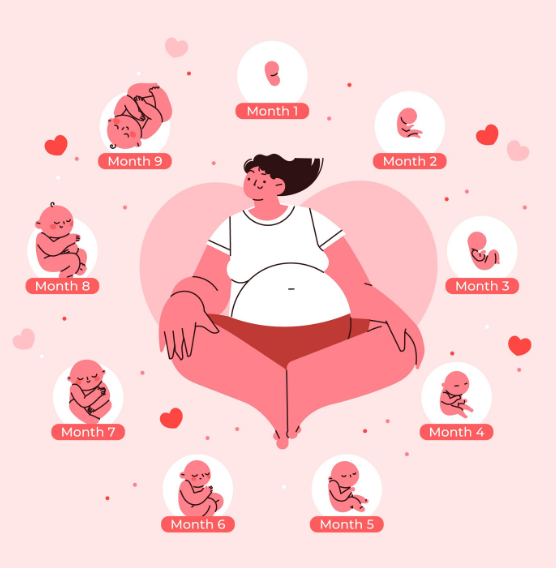
Pregnancy is a journey like no other — filled with wonder, anticipation, and major changes for both mother and child. Though our clinic mainly focuses on digestive and liver health, we believe in promoting overall health: and for expecting parents, knowledge about pregnancy can make a big difference.
Here’s a comprehensive guide to all four “trimesters” — including the often-overlooked fourth trimester (the postpartum period).
🌸 First Trimester (Weeks 1–12): Foundations of Life
What’s happening (baby side):
- From conception through the first 12 weeks, the embryo begins forming essential organs — heart, brain, spine, and limbs.
- By around week 12, many basic features (tiny fingers/toes, facial structure) start forming.
What mom might experience:
- Nausea or morning sickness
- Fatigue and drowsiness
- Mood swings
- Sensitivity or soreness in breasts
- Food aversions or cravings
Tips / What to focus on:
- Begin prenatal vitamins (especially folic acid) — helps prevent neural-tube defects.
- Eat small, balanced meals; stay hydrated.
- Sleep and rest when needed.
- Schedule your first prenatal check-up: early care helps catch issues before they escalate.
Why it matters: This is the stage of most rapid development — what a mother does now (nutrition, rest, avoiding harmful habits) deeply influences baby’s health.
🧘 Second Trimester (Weeks 13–26): Growth & Comfort
Often called the “honeymoon period” of pregnancy, the second trimester brings relative calm and energy.
Baby’s development:
- Bones begin to harden.
- Baby might start to move (mom may feel gentle flutterings).
- Sensory development — baby’s hearing and internal organs continue to mature.
Mom’s experience:
- Nausea may fade; more stable appetite and energy levels.
- Growing baby bump becomes visible.
- Occasional backaches or mild discomfort as body adjusts.
- “Pregnancy glow” — skin changes or hormonal effects.
Health & lifestyle advice:
- Light exercise (walks, gentle stretching) helps maintain overall health.
- Balanced diet rich in proteins, calcium, and fiber supports baby’s growth.
- Hydration is key — aim for plenty of water, especially with increased blood volume.
- Use this time to plan: think about birth plan, prenatal classes, and maternity care.
🏁 Third Trimester (Weeks 27–40): Final Preparations
As due date nears, both baby and mother prepare for birth.
Baby’s final development:
- Rapid weight gain — baby stores fat, grows stronger.
- Lungs, brain, and immune system mature.
- Baby often shifts to head-down position, preparing for birth.
What mom may face:
- Increased fatigue, lower-back pain, pelvic pressure.
- Difficulty sleeping; frequent urination.
- Shortness of breath as the uterus grows.
- Swelling in ankles, feet, hands; mild contractions (“Braxton Hicks”) may begin.
Helpful tips:
- Practice breathing and relaxation (helpful for labor).
- Prepare your hospital bag and final checklist for delivery.
- Keep birth plan ready; discuss hospital stay and pediatric care ahead.
- Eat nutrient-rich foods; monitor weight gain but avoid overeating.
- Stay in touch with your healthcare provider — regular prenatal visits now are vital.
❤️ Fourth Trimester (0–12 Weeks After Birth): Postpartum Care & Bonding
Often forgotten in mainstream pregnancy discussions, the fourth trimester is crucial — for both mother and baby.
What baby is doing:
- Adjusting to life outside the womb: learning to breathe, feed, sleep, and interact.
- Rapid brain development continues — stimulated by touch, sounds, and interaction.
- Establishing feeding patterns (breastfeeding or formula) and slowly forming sleep rhythm.
What happens for the mother:
- Physical recovery: uterus contracts back, stitches/healings (if C-section or episiotomy), hormonal shifts.
- Emotional changes: many mothers experience mood swings, “baby blues,” or even postpartum depression; this is normal.
- Adjusting to new routines — feeding, night-wakes, caring for the newborn, and fatigue.
What to prioritize now:
- Rest whenever possible — baby’s sleep times are good windows for mom’s rest.
- Eat nutritious, balanced meals; stay hydrated — essential for healing and breastfeeding.
- Seek support: from family, friends, or healthcare providers. Postpartum is more than physical — emotional support is equally important.
- Begin gentle activity if doctor allows (like light walking), but avoid heavy exertion until cleared.
- Bond with baby — skin-to-skin, cuddling, gentle talking — all help with emotional health and baby’s development.
📝 Why This Guide Matters — Even from a Digestive-Health Clinic
At Dr. Paithankar’s Clinic, our primary focus is on digestive and liver health. Still, overall well-being (especially maternal health) greatly impacts digestion, immunity, and long-term health. Good nutrition, rest, and stress management during pregnancy and postpartum can influence digestion and metabolic health — for both mom and child.
Moreover, many expecting mothers experience digestive changes (acid reflux, constipation, nausea) during pregnancy — these are common, and our gastroenterology expertise can be helpful. Early consultation for persistent digestive symptoms during pregnancy could make a big difference.
So whether you come to us for routine care or for specialized digestive concerns — we believe in holistic wellness.
Pregnancy — and the time afterward — is one of life’s most profound journeys. Each trimester brings its own challenges and joys. If you’re expecting, preparing, or simply curious: information, support, and care are your greatest allies.
If you or someone you know would like guidance on digestive health during or after pregnancy — or general wellness advice — feel free to reach out to us at Dr. Paithankar’s Clinic.