

By Dr. Uddhavesh M. Paithankar
Gastroenterologist – Dr. Paithankar Clinic*
Himalayan Pink Salt has become very popular in recent years. Many patients ask whether it is healthier than regular salt, whether it helps digestion, or if it offers special benefits because of its “84 minerals.” As a gastroenterologist, I see a lot of confusion around this topic, so here is a clear, science-based explanation.
About Dr. Uddhavesh M. Paithankar
MBBS, MD – Gastroenterology
Dr. Paithankar Clinic
Dr. Paithankar specializes in digestive disorders, liver health, endoscopy services, and preventive gastro care. He is committed to providing scientific, patient-friendly guidance and debunking health myths that may harm long-term wellbeing.
What Exactly Is Himalayan Pink Salt?
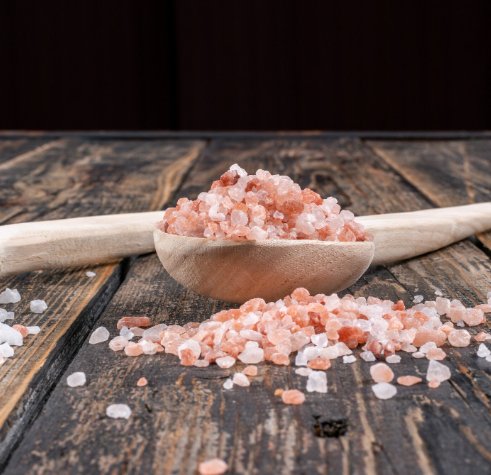
Despite all the marketing claims, Himalayan pink salt is 98% Sodium Chloride—the same as regular table or sea salt. The pink colour comes from trace minerals like iron.
These trace minerals make it look attractive, but the amounts are extremely small and do not provide significant nutritional benefit.
Does It Help Digestion or Gut Health?
Many online claims suggest that pink salt improves digestion or detoxes the body.
There is no scientific evidence to support these claims.
Your digestive system does not need any special type of salt. What it needs is:
- Balanced hydration
- A healthy microbiome
- Proper fibre intake
- Controlled salt consumption
Pink salt does not offer unique digestive benefits.
Is It Healthier Than Regular Iodized Salt?
This is where patients get misled.
✔️ Iodized Salt Provides Iodine
Iodine is essential for thyroid function.
Himalayan pink salt does not contain added iodine, which means:
- Long-term use as your only salt source
- Can increase risk of iodine deficiency,
- Especially in children, pregnant women, and those with thyroid issues.
✔️ Pink Salt Does Not Reduce Sodium Intake
Some believe pink salt is “lighter” or “less salty.”
In reality, sodium content is almost the same.
Excess sodium—regardless of type—can cause:
- High blood pressure
- Water retention
- Increased risk of heart and kidney problems
So pink salt is not a healthier alternative in terms of sodium.
Common Myths – Busted
❌ “Pink salt detoxes your body.”
Your liver and kidneys handle detoxification. Salt does not.
❌ “It balances your body’s pH.”
Your body maintains pH very tightly on its own.
❌ “Sole water (salt water) improves digestion.”
Drinking salty water may increase dehydration in some people and is not medically recommended.
❌ “Salt lamps purify the air.”
There is no scientific evidence for this.
So, Should You Use Himalayan Pink Salt?
You can use it for taste or aesthetic reasons.
It has a slightly different flavour, and some people enjoy its texture.
But use it as salt, not as a health supplement.
My recommendations as a Gastroenterologist:
- Do not replace iodized salt completely.
Use iodized salt regularly to prevent iodine deficiency. - Limit total salt intake.
Adults should generally consume less than 5g of salt per day (about 1 teaspoon). - Be cautious of misleading wellness trends.
No form of salt can detox, cure digestive issues, or improve metabolism. - Use pink salt only as an occasional culinary choice, not for health therapy.
Key Takeaway
Himalayan pink salt is not harmful, but it is also not a miracle health product.
It is simply another type of salt, with:
- Almost the same sodium
- No special digestive benefits
- No proven health advantages
- Higher risk of iodine deficiency if used exclusively
For good digestive and overall health, focus on a balanced diet, hydration, and lifestyle—not on the colour of your salt.
If You Have Digestive Issues, Salt Isn’t the Solution
If you experience:
- bloating
- acidity
- constipation
- IBS symptoms
- abdominal discomfort
You should consult a gastroenterologist for proper evaluation instead of relying on dietary fads.