

Many people assume that if they don’t pass stool every day, they are constipated. But according to Dr. Uddhavesh M. Paithankar, that’s not always true. Bowel habits vary from person to person, and understanding the clinical definition of constipation is key to protecting your digestive health.
In this blog, we’ll break down:
- The true definition of constipation
- The alarm symptoms you should never ignore
- The “Big 3” lifestyle changes to relieve constipation naturally
- When to consult a specialist
What Is the Clinical Definition of Constipation?
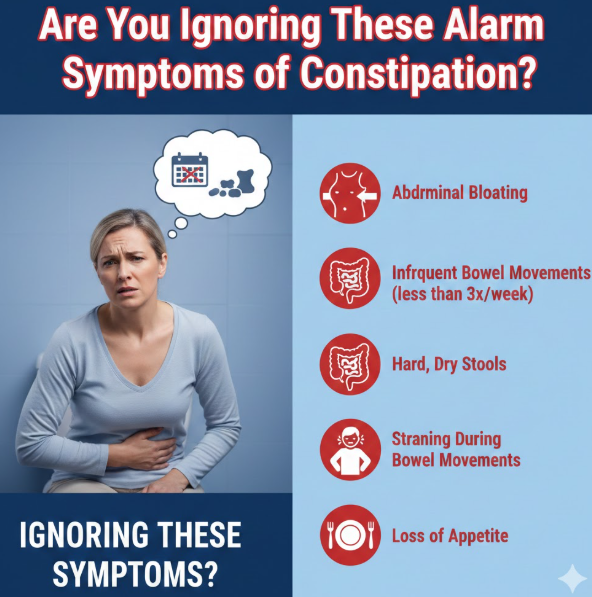
Constipation isn’t simply about not passing stool daily. Medically, constipation may include:
- Passing stool fewer than 3 times per week
- Hard or lumpy stools
- Straining during bowel movements
- A feeling of incomplete evacuation
- Needing manual assistance to pass stool
If these symptoms persist for several weeks, it may be classified as chronic constipation.
Alarm Symptoms You Should Never Ignore
While occasional constipation is common, certain warning signs require immediate medical attention.
🚨 Red Flag Symptoms:
- Blood in stool
- Severe abdominal pain
- Sudden unexplained weight loss
- Persistent vomiting
- Anemia or extreme fatigue
- Constipation alternating with diarrhea
These symptoms could indicate more serious underlying conditions such as inflammatory bowel disease, intestinal obstruction, or colorectal disorders.
If you experience any of these, consult a qualified gastroenterologist immediately.
The “Big 3” Lifestyle Changes to Relieve Constipation Naturally
The good news? Most cases of constipation improve with simple lifestyle modifications.
1️⃣ Proper Hydration 💧
Water softens stool and helps it move smoothly through the intestines.
Aim for: 2–3 liters of water daily (adjust based on climate and activity level).
2️⃣ 30g of Fiber Daily 🥗
Dietary fiber adds bulk to stool and promotes regular bowel movements.
High-fiber foods include:
- Whole grains
- Oats
- Fruits like apples and pears
- Leafy green vegetables
- Chia seeds and flaxseeds
- Legumes
Increase fiber gradually to avoid bloating.
3️⃣ 20–30 Minutes of Physical Activity 🏃♂️
Regular movement stimulates intestinal contractions.
Good options:
- Brisk walking
- Yoga
- Cycling
- Light jogging
Even consistent daily walking can significantly improve gut motility.
Common Myths About Constipation
❌ Myth: You must pass stool daily to be healthy.
✅ Fact: Normal bowel frequency ranges from 3 times a day to 3 times a week.
❌ Myth: Laxatives are the best long-term solution.
✅ Fact: Overuse of laxatives can worsen bowel function over time.
When Should You See a Specialist?
You should book a consultation if:
- Symptoms persist for more than 2–3 weeks
- Lifestyle changes don’t help
- You experience any alarm symptoms
- You’re over 45 with new-onset constipation
Early evaluation can prevent complications and rule out serious causes.
Take Charge of Your Digestive Health
Constipation is common—but ignoring alarm symptoms can be dangerous. Simple lifestyle adjustments often make a big difference, but persistent digestive issues require expert evaluation.
If you’re experiencing ongoing discomfort, abdominal pain, or changes in bowel habits, consider consulting Dr. Uddhavesh M. Paithankar for a comprehensive assessment and personalized treatment plan.
Your gut health matters—don’t ignore the warning signs.