
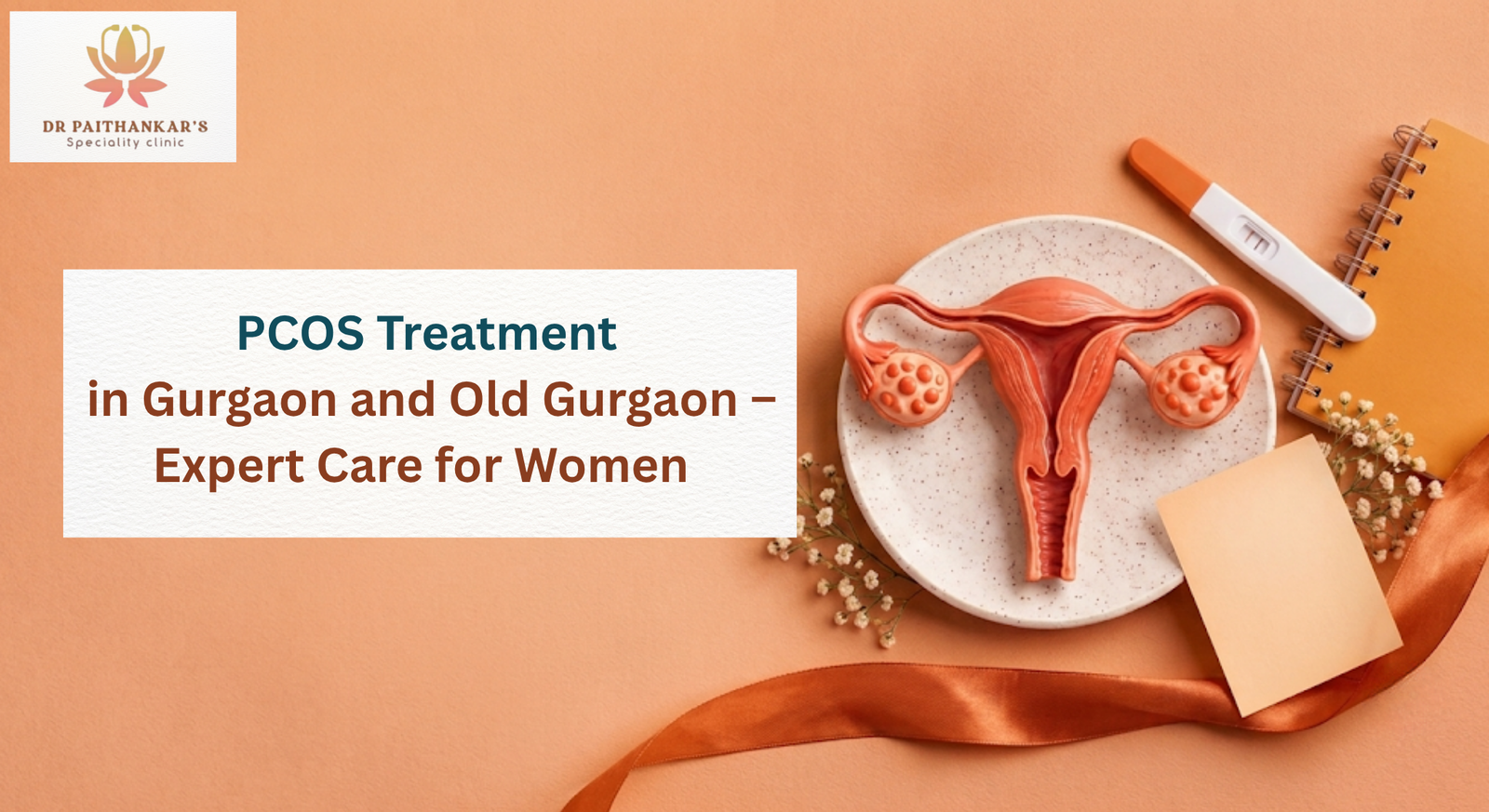
Irregular periods, unexplained weight gain, persistent acne, excessive facial or body hair, and difficulty getting pregnant can sometimes be signs of Polycystic Ovary Syndrome (PCOS). It is a hormonal and metabolic condition that affects women during their reproductive years.
If you are experiencing these symptoms, you are not alone. PCOS can affect every woman differently, and managing it involves more than simply taking medication or following a strict diet. It requires an accurate diagnosis, an individualised treatment plan, and regular medical guidance.
The good news is that PCOS symptoms can often be managed effectively with a combination of lifestyle modifications, medical treatment, and ongoing care.
If you are looking for PCOS treatment in Gurgaon or Old Gurgaon, Dr. Mukti Harne Paithankar offers gynaecological care to help women understand their symptoms, identify hormonal concerns, and make informed decisions about their reproductive health.
What Is PCOS and Why Should You Take It Seriously?
Polycystic Ovary Syndrome (PCOS) is a hormonal and metabolic condition that affects how the ovaries function. It is commonly associated with irregular ovulation, increased androgen (male hormone) levels, and changes in the appearance of the ovaries on an ultrasound.
Hormones work together to regulate several functions in your body, including your menstrual cycle, metabolism, and reproductive health. When these hormones become imbalanced, different symptoms can develop.
PCOS does not affect every woman in the same way. Some women experience irregular periods, while others struggle with acne, unwanted hair growth, weight changes, or fertility concerns.
Quick Facts About PCOS
- What is PCOS? A condition that can affect menstrual cycles, ovulation, skin health, metabolism, and fertility.
- Why does PCOS develop? Genetics, hormonal factors, and insulin resistance may contribute to PCOS.
- Can PCOS be treated? Yes. Symptoms can often be managed through lifestyle changes, medication, and regular medical care.
- Does PCOS mean infertility? No. Many women with PCOS can conceive naturally, while others may benefit from fertility treatment.
What Are the Common Symptoms of PCOS in Women?
One reason PCOS often goes undiagnosed is that its symptoms may develop gradually. You might initially attribute irregular periods to stress or consider acne a simple skin concern.
However, when these problems continue, it is important to investigate the underlying cause.
Common PCOS symptoms include:
1. Irregular or Missed Periods
PCOS can make your menstrual cycle unpredictable, longer, or less frequent. Some women may also experience missed periods because of irregular ovulation.
2. Unexplained Weight Gain
Some women with PCOS experience weight gain, particularly around the abdominal area. However, PCOS can also affect women who maintain a healthy body weight.
3. Excessive Facial or Body Hair
Higher androgen levels can lead to unwanted hair growth on the chin, upper lip, chest, abdomen, and other areas.
4. Persistent Acne
Hormonal changes can increase oil production in the skin, resulting in recurring acne around the face, jawline, and chin.
5. Hair Thinning
Some women experience thinning scalp hair or increased hair shedding due to hormonal changes associated with PCOS.
6. Difficulty Getting Pregnant
PCOS can make conception more challenging because ovulation may not happen regularly.
7. Dark Skin Patches
Insulin resistance may cause dark, thickened patches of skin, particularly around the neck, underarms, and groin.
Having one or more of these symptoms does not automatically mean you have PCOS. A proper medical assessment is necessary to establish the diagnosis.
Why Does PCOS Develop?
There is no single confirmed cause of PCOS. Research suggests that several hormonal, genetic, and metabolic factors may contribute to its development.
1. Insulin Resistance
Insulin helps your body use glucose from food for energy. When your cells become less responsive to insulin, your body may produce more insulin to maintain blood sugar levels.
Higher insulin levels can stimulate the ovaries to produce androgens, potentially affecting ovulation and menstrual regularity.
2. Hormonal Imbalance
Women with PCOS may have increased androgen levels and changes in other reproductive hormones. These hormonal variations can contribute to irregular periods, acne, and excessive hair growth.
3. Family History
PCOS can run in families. Women whose mothers or sisters have PCOS may have a higher likelihood of developing the condition, although family history does not guarantee that someone will have it.
4. Lifestyle and Metabolic Factors
Sleep patterns, physical activity, nutrition, stress, and metabolic health can influence PCOS symptoms.
It is important to understand that PCOS is not simply a result of being overweight. Women of all body types can develop PCOS.
How Is PCOS Diagnosed?
If you suspect that you may have PCOS, do not rely only on symptoms or online self-assessments. A gynaecologist will evaluate your medical history, menstrual patterns, symptoms, and relevant investigations.
In adults, PCOS is usually diagnosed when at least two of the following three features are present, after ruling out other possible causes:
- Irregular or Absent Ovulation: This can lead to missed or irregular periods.
- Clinical or Biochemical Hyperandrogenism: Signs such as excessive hair growth or higher androgen levels in blood tests.
- Polycystic Ovarian Appearance: Identified through an ultrasound or, in appropriate adult patients, an assessment using AMH.
An important point to remember is that ovarian cysts are not required for a PCOS diagnosis. Despite its name, PCOS does not mean that every woman with the condition has cysts.
Tests Your Doctor May Recommend
Depending on your symptoms and medical history, your doctor may suggest:
- Pelvic Ultrasound: To examine the ovaries and reproductive organs when needed.
- Hormonal Blood Tests: To assess androgen levels and investigate hormonal concerns.
- Blood Sugar Tests: To evaluate glucose metabolism and screen for diabetes risk.
- Lipid Profile: To check cholesterol and triglyceride levels.
- Prolactin Test: To rule out conditions that may cause menstrual irregularities.
Not every woman needs all these investigations. Your doctor will recommend tests according to your individual needs.
What Are the Best PCOS Treatment Options in Gurgaon?
There is no single treatment that works for every woman with PCOS. The right approach depends on your symptoms, overall health, age, and reproductive goals.
Whether your primary concern is irregular periods, acne, unwanted hair growth, insulin resistance, or difficulty conceiving, your gynaecologist can develop an appropriate treatment plan.
1. Lifestyle Changes and Dietary Modifications
Lifestyle management is an important part of PCOS treatment, regardless of body weight.
You do not need to follow extreme diets or intense workout routines. Instead, focus on sustainable habits such as:
- Eating meals with adequate protein, fibre, and healthy fats.
- Limiting sugary beverages and highly processed foods.
- Including physical activities that you enjoy.
- Maintaining a consistent sleep schedule.
- Practising stress-management techniques.
These changes can support overall health, improve insulin sensitivity, and help manage PCOS symptoms.
2. Medications for Hormonal Regulation
Depending on your symptoms and medical history, your doctor may recommend medications to manage hormonal concerns.
These may include:
- Hormonal contraceptive pills to regulate menstrual cycles and help manage acne and excessive hair growth.
- Progesterone-based medication if you experience prolonged gaps between periods, to help protect the uterine lining.
Hormonal medication should always be taken under medical supervision.
3. Treatment for Insulin Resistance
Some women with PCOS experience insulin resistance, which can affect blood sugar regulation and metabolic health.
In selected cases, doctors may prescribe medications such as metformin to improve insulin sensitivity and support metabolic management.
However, metformin is not necessary for every woman with PCOS. Your doctor will determine whether it is appropriate after evaluating your health.
4. PCOS Treatment for Pregnancy
A PCOS diagnosis does not mean that you cannot become pregnant.
Many women with PCOS conceive naturally, while others may require medical support to improve ovulation.
Depending on your fertility evaluation, treatment may include:
- Lifestyle and metabolic health management.
- Medication to stimulate ovulation.
- Monitoring of menstrual cycles.
- Fertility investigations when required.
- Advanced fertility treatments in selected cases.
Your treatment plan will depend on your age, fertility history, ovulation pattern, other health conditions, and your partner’s fertility assessment.
Meet the Expert: Dr. Mukti Harne Paithankar
When it comes to women’s health, having a doctor who listens to your concerns and explains your treatment options clearly can make a meaningful difference.
Dr. Mukti Harne Paithankar provides gynaecological care in Gurgaon. Her areas of expertise include infertility management and laparoscopic surgery.
Her approach focuses on understanding each patient’s concerns, evaluating individual healthcare needs, and helping women make informed decisions about their reproductive health.
Whether you are experiencing irregular periods, hormonal concerns, or difficulty conceiving, a personalised consultation can help you understand the next steps towards better health.
What Does PCOS Treatment Look Like? Your Step-by-Step Journey
Managing PCOS is a process rather than a one-time treatment. It involves understanding your symptoms, identifying underlying concerns, selecting suitable treatment options, and monitoring your progress.
| Treatment Stage | What Happens |
| Step 1: Consultation | Discuss your symptoms, medical history, and health goals. |
| Step 2: Diagnosis | Undergo examinations and investigations if required. |
| Step 3: Treatment Planning | Develop a plan involving lifestyle changes and medication where appropriate. |
| Step 4: Follow-up | Monitor menstrual cycles, symptoms, and investigation results. |
| Step 5: Long-term Care | Continue monitoring hormonal, reproductive, and metabolic health. |
The duration of each stage depends on your symptoms, investigation results, and response to treatment.
Why Choose a Gynaecologist for PCOS Treatment in Gurgaon and Old Gurgaon?
PCOS can affect several aspects of a woman’s health, including menstrual regularity, fertility, hormone levels, and metabolic function.
Consulting an experienced gynaecologist can help ensure that your symptoms are properly evaluated and managed.
With Dr. Mukti Harne Paithankar, women can seek medical guidance for concerns such as:
- Irregular or missed periods.
- Hormonal imbalances and PCOS-related symptoms.
- Excessive facial and body hair.
- Insulin resistance and related metabolic concerns.
- Difficulty getting pregnant and ovulation problems.
- Pre-pregnancy counselling and family planning.
The aim is to provide care based on your symptoms, health requirements, and future reproductive goals.
Frequently Asked Questions About PCOS Treatment in Gurgaon
1. Can PCOS Be Completely Cured?
PCOS is a long-term condition that currently has no permanent cure. However, its symptoms can often be managed with lifestyle changes, appropriate medications, and regular medical check-ups.
2. Can I Get Pregnant Naturally If I Have PCOS?
Yes. Many women with PCOS get pregnant naturally. Some may need medical support to regulate ovulation or improve their chances of conception. A fertility evaluation can help identify suitable treatment options.
3. Does PCOS Always Lead to Weight Gain?
No. PCOS does not always cause weight gain. Women with a healthy or lower body weight can also have PCOS. Weight-related changes vary from person to person because of hormonal and metabolic differences.
4. Which Doctor Should I See for PCOS Treatment in Gurgaon?
A gynaecologist can evaluate your symptoms, recommend relevant tests, and create an individualised treatment plan. If you experience difficulty getting pregnant, an infertility specialist can also help.
5. Do I Need an Ultrasound to Find Out If I Have PCOS?
Not always. In adults, doctors can sometimes diagnose PCOS using menstrual history and signs of increased androgen levels after ruling out other possible causes. An ultrasound may not be necessary in every case.
6. What Happens If PCOS Is Not Treated?
If PCOS is not properly managed, it may increase the risk of irregular periods, problems with the uterine lining due to prolonged gaps between periods, insulin resistance, and other metabolic health concerns. Early diagnosis and appropriate medical care can help manage these risks.
Book Your PCOS Consultation with Dr. Mukti Harne Paithankar
If you are experiencing irregular periods, persistent skin problems, excessive hair growth, unexplained weight changes, or difficulty getting pregnant, it is important to pay attention to these symptoms.
Understanding the reason behind these changes is an important step towards improving your hormonal and reproductive health.
If you are looking for PCOS treatment in Gurgaon or Old Gurgaon, consult Dr. Mukti Harne Paithankar to discuss your symptoms, understand your diagnosis, and explore suitable treatment options.
Take the First Step Towards Better Women’s Health.
Dr. Mukti Harne Paithankar
Gynaecologist | Infertility Specialist | Laparoscopic Surgeon
Consultation Locations
Location 1 – Sector 29, Gurugram
Metro Station, Ground Floor, Near IFFCO Chowk, Sector 29, Gurugram, Haryana – 122009.
Location 2 – Sector 17, Gurugram
1135, Sector 17-B, Block B, IFFCO Colony, Sector 17, Gurugram, Haryana – 122015.
Call: 095272 26788