
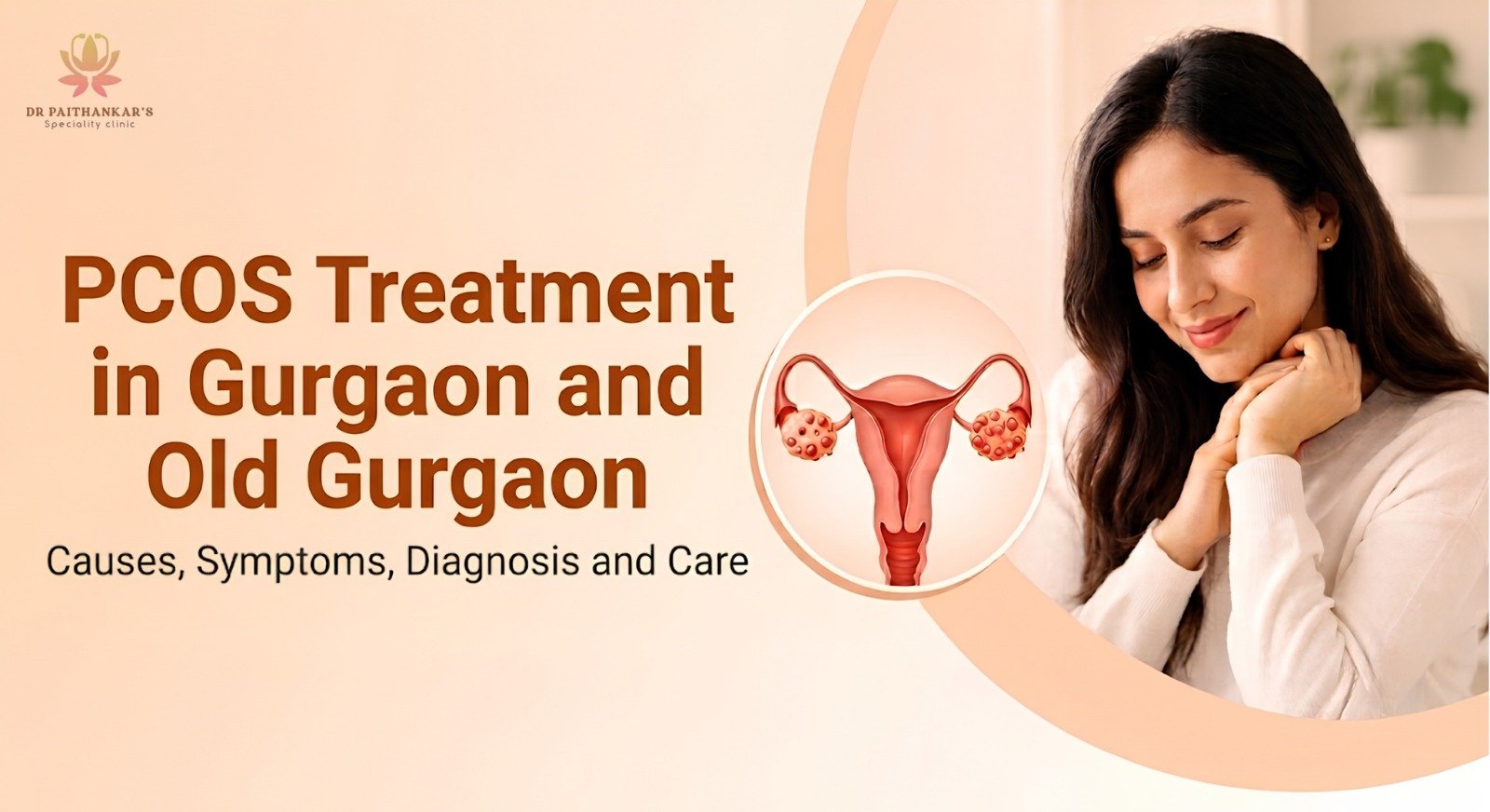
Irregular periods, sudden breakouts, unwanted facial hair, unexpected weight changes, or difficulty getting pregnant can make you wonder, “Could it be PCOS?”
Polycystic Ovary Syndrome, commonly known as PCOS, is a hormonal and metabolic condition that can affect menstrual cycles, ovulation, skin health, and fertility. It is a common condition, but every woman experiences it differently. While some women notice irregular periods or acne, others may struggle with unwanted hair growth, weight changes, or difficulty conceiving.
If you are looking for PCOS treatment in Gurgaon or Old Gurgaon, understanding the possible cause of your symptoms is the first step. A detailed consultation with a gynecologist can help identify the underlying concerns and develop a treatment plan suited to your symptoms, reproductive goals, and overall health.
What Is PCOS?
Polycystic Ovary Syndrome (PCOS) is a hormonal condition that can interfere with ovulation and menstrual cycles. It is also associated with changes in androgen levels and, in some women, insulin resistance.
The name can sometimes be confusing because PCOS does not simply mean having cysts in the ovaries. In fact, some women with PCOS may not have the typical ultrasound appearance associated with the condition.
Think of your hormones as a system of signals that help regulate your menstrual cycle and ovulation. When these signals become unbalanced, ovulation may occur irregularly, periods may become unpredictable, and symptoms such as acne or excess facial hair may develop.
PCOS can affect women of different ages and body types. Early diagnosis and appropriate care can help manage symptoms and reduce the risk of certain long-term health complications.
What Are the Common Symptoms of PCOS?
PCOS symptoms can vary significantly from one woman to another. Some women experience several symptoms, while others may notice only a few changes.
Common symptoms include:
- Irregular, missed, or infrequent periods
- Difficulty predicting ovulation
- Acne or persistently oily skin
- Unwanted facial or body hair
- Thinning hair or increased hair fall from the scalp
- Weight gain or difficulty managing weight
- Darkened skin around the neck, underarms, or other body folds
- Difficulty getting pregnant
- Signs associated with insulin resistance
- Mood changes or fatigue in some women
Having one or more of these symptoms does not automatically mean you have PCOS. Other conditions can cause similar changes, which is why a medical assessment is important.
If you notice persistent menstrual irregularities, increasing facial hair, or unexplained changes in your skin, consulting a gynecologist can help you understand what is happening and whether further testing is necessary.
Why Does PCOS Happen?
There is no single cause of PCOS. A combination of genetic, hormonal, and metabolic factors may contribute to its development.
1. Hormonal Imbalance
Women with PCOS may have higher levels of androgens, sometimes called male hormones, although these hormones are naturally present in women too. Higher androgen levels can contribute to acne, unwanted facial hair, scalp hair thinning, and irregular ovulation.
2. Insulin Resistance
Insulin helps the body use glucose for energy. When the body becomes less sensitive to insulin, it may produce more insulin to compensate.
Higher insulin levels can affect ovarian hormone production and contribute to increased androgen levels. This may interfere with ovulation and worsen certain PCOS symptoms.
3. Genetic Factors
PCOS can run in families. Women with a family history of PCOS or related metabolic conditions may have a greater likelihood of developing it.
4. Metabolic Factors
PCOS is associated with an increased risk of certain metabolic concerns, including abnormal blood sugar levels and cholesterol changes. These factors can influence how the condition develops and how it should be managed.
Importantly, PCOS is not simply a weight-related condition. Women of all body types can develop PCOS, and a diagnosis should never be based on weight alone.
How Is PCOS Diagnosed?
PCOS is diagnosed through a combination of medical history, symptoms, physical examination, and appropriate investigations. There is no single test that confirms every case.
During your appointment, your gynecologist may ask about:
- Your menstrual cycle and previous periods
- Changes in weight or appetite
- Acne, unwanted hair growth, or scalp hair thinning
- Previous pregnancies and fertility concerns
- Family history of PCOS or diabetes
- Existing medical conditions
- Current medications and lifestyle habits
Depending on your symptoms, your doctor may recommend blood tests, an ultrasound, or additional investigations.
Blood tests may help assess hormone levels and screen for metabolic concerns. Your doctor may also evaluate other possible causes of irregular periods, including thyroid disorders, elevated prolactin levels, and other hormonal conditions.
Does an Ultrasound Confirm PCOS?
No. An ultrasound alone does not confirm PCOS in every patient.
An ultrasound can show the appearance of the ovaries and may identify features associated with PCOS. However, these findings must be interpreted alongside your symptoms, medical history, and other relevant test results.
Some women with PCOS do not have the typical polycystic appearance of the ovaries, while others may have that appearance without having PCOS.
This is why a proper clinical assessment is more useful than relying on an ultrasound report alone.
PCOS Treatment in Gurgaon: What Are Your Options?
The right approach to PCOS treatment in Gurgaon depends on your symptoms, age, medical history, reproductive goals, and overall health.
There is no single treatment that works for every woman. Some women need help regulating their periods, while others require treatment for acne, unwanted hair growth, insulin resistance, or fertility concerns.
Your gynecologist may recommend one or more of the following approaches.
1. Lifestyle Changes for PCOS Management
Lifestyle changes can play an important role in PCOS management, particularly when insulin resistance or metabolic concerns are present.
However, managing PCOS does not mean starving yourself, following restrictive diets, or trying to lose weight rapidly.
A practical approach may include:
- Eating balanced meals at regular intervals
- Including protein, vegetables, and fibre-rich foods in your diet
- Choosing carbohydrates and portion sizes that suit your needs
- Staying physically active through walking, strength training, or other suitable activities
- Maintaining a consistent sleep schedule
- Finding healthy ways to manage stress
- Avoiding extreme diets and quick weight-loss plans
The goal is to develop sustainable habits that support hormonal and metabolic health over time.
Your doctor may suggest additional nutritional or lifestyle support depending on your individual circumstances.
2. Treatment for Irregular Periods
Irregular periods are one of the most common concerns associated with PCOS.
When ovulation does not happen regularly, menstrual cycles may become unpredictable or periods may stop for extended periods. This can sometimes increase the risk of excessive thickening of the uterine lining.
Treatment depends on whether you are trying to conceive and on your medical history.
For women who are not currently planning a pregnancy, a gynecologist may recommend hormonal medication or other appropriate treatment to regulate bleeding and protect the uterine lining.
If you are trying to conceive, the treatment approach may instead focus on assessing ovulation and improving the chances of pregnancy.
Do not ignore prolonged gaps between periods. Your doctor can help determine whether treatment is necessary and which option is suitable for you.
3. Managing Acne and Unwanted Hair Growth
Hormonal changes associated with PCOS can contribute to persistent acne, excess facial hair, and unwanted body hair.
The appropriate treatment depends on the severity of your symptoms, your medical history, and whether you are planning a pregnancy.
Your doctor may recommend suitable hormonal or dermatological treatments. Cosmetic options, such as laser hair reduction, may also be considered for unwanted hair growth.
It is important to understand that these changes usually do not disappear overnight. Some treatments take several months to show noticeable improvement, and ongoing care may be necessary to maintain the results.
Avoid starting hormonal medication or other prescription treatments without medical advice, particularly if you are planning to become pregnant.
4. PCOS and Fertility Treatment
A diagnosis of PCOS does not mean you cannot become pregnant.
One of the main reasons PCOS can affect fertility is irregular ovulation. If an egg is not released regularly, predicting the fertile window and conceiving may become more difficult.
If you are planning a pregnancy, your gynecologist may assess your ovulation patterns and review other factors that can influence fertility.
Depending on your individual situation, treatment may involve lifestyle support, medication to induce ovulation, or referral for specialist fertility care.
If you have irregular periods and are trying to conceive, seeking an assessment early can help you understand your options rather than waiting without knowing the cause of the difficulty.
Many women with PCOS can conceive naturally or with appropriate medical support. The treatment plan should be based on individual needs rather than assumptions about fertility.
5. Protecting Your Long-Term Health
PCOS management involves more than making periods regular or improving skin symptoms.
The condition is associated with an increased risk of insulin resistance, type 2 diabetes, abnormal cholesterol levels, and certain other metabolic concerns. Long-term irregular ovulation may also affect the health of the uterine lining.
Depending on your medical history and risk factors, your doctor may recommend checking:
- Blood glucose levels or other diabetes-related markers
- Cholesterol and other lipid levels
- Blood pressure
- Weight-related health indicators, where appropriate
- Menstrual patterns and uterine health
Regular follow-ups help your doctor assess how well your treatment is working and whether your needs have changed over time.
Can PCOS Be Cured Completely?
PCOS is generally a long-term condition, and there is no single treatment that permanently eliminates it for everyone.
However, its symptoms can often be managed effectively with an appropriate combination of lifestyle changes, medication, and regular medical care.
Some women may experience significant improvement in their menstrual cycles, acne, or metabolic health. Others may need ongoing treatment to manage symptoms or support fertility.
The goal of PCOS treatment is to improve your quality of life, support reproductive health, manage current symptoms, and reduce long-term health risks.
Even when symptoms improve, periodic medical reviews may still be helpful.
Meet the Expert: Dr Mukti Harne Paithankar
Dr Mukti Harne Paithankar is a gynecologist, obstetrician, infertility specialist, and laparoscopic surgeon providing women’s healthcare services in Gurgaon and Delhi NCR.
For women experiencing PCOS symptoms, an individualised approach is important because the condition can affect each patient differently.
One woman may be concerned about irregular periods, another may struggle with acne or unwanted facial hair, while someone else may be worried about difficulty getting pregnant.
A detailed consultation can help identify these concerns and determine the next steps based on the patient’s symptoms, reproductive goals, and overall health.
Women looking for a gynecologist in Gurgaon, Old Gurgaon, Sector 17-B, Sector 29, or nearby areas can explore appointment options at Dr Mukti Harne Paithankar’s clinic locations.
What Does a PCOS Treatment Journey Look Like?
The PCOS treatment process varies from person to person. However, it generally involves several steps.
Step 1: Initial Consultation
Your gynecologist discusses your periods, symptoms, lifestyle, medical history, and plans for pregnancy.
Step 2: Medical Evaluation
Depending on your symptoms, the doctor may recommend blood tests, an ultrasound, or other investigations to assess your condition and rule out alternative causes.
Step 3: Diagnosis and Assessment
Your symptoms and test results are reviewed to determine whether you meet the diagnostic criteria for PCOS or whether another condition may explain your symptoms.
Step 4: Personalised Treatment Plan
Your treatment may include lifestyle recommendations, medication for menstrual irregularities, management of skin symptoms, or fertility-focused care.
Step 5: Follow-Up Appointments
Your doctor reviews your symptoms, menstrual cycle, response to treatment, and any side effects or new concerns.
Step 6: Long-Term Health Monitoring
Periodic check-ups help monitor metabolic health, menstrual patterns, and other concerns associated with PCOS.
The most important thing to remember is that your PCOS journey does not have to look like someone else’s. Your treatment should reflect your own symptoms and goals.
When Should You See a Gynecologist for PCOS?
Consider consulting a gynecologist if you experience:
- Frequently irregular or missed periods
- Long gaps between menstrual cycles
- Persistent or worsening acne
- Increasing facial or body hair
- Unexplained changes in weight
- Scalp hair thinning
- Difficulty getting pregnant
- Concerns about blood sugar or other metabolic changes
You do not need to wait until symptoms become severe before seeking help.
If your periods stop for around three months and you are not pregnant, arrange a medical assessment. Seek urgent medical care for severe abdominal or pelvic pain, particularly if it develops suddenly or is accompanied by fainting, heavy bleeding, or other concerning symptoms.
A timely consultation can help identify the cause of your symptoms and guide appropriate treatment.
Frequently Asked Questions About PCOS
1. What Is the Best Treatment for PCOS?
The best treatment depends on your symptoms, medical history, and pregnancy plans. Treatment may include lifestyle changes, medication to manage irregular periods or hormonal symptoms, and fertility treatment when needed.
2. Can PCOS Be Cured Completely?
PCOS is generally a long-term condition rather than something permanently cured by one medicine. However, many symptoms can be managed effectively with appropriate treatment, sustainable lifestyle habits, and regular follow-ups.
3. Can I Get Pregnant If I Have PCOS?
Yes. Many women with PCOS become pregnant naturally or with medical support. If irregular ovulation is affecting your fertility, your gynecologist can discuss suitable options.
4. Does PCOS Always Cause Weight Gain?
No. Women of all body types can have PCOS. Although weight and insulin resistance may influence symptoms in some women, weight gain is not necessary for a PCOS diagnosis.
5. Are Irregular Periods Always Caused by PCOS?
No. Irregular periods can also be related to thyroid disorders, stress, significant weight changes, certain medications, elevated prolactin levels, and other hormonal conditions. A medical evaluation can help identify the cause.
6. Where Can I Get PCOS Treatment in Gurgaon or Old Gurgaon?
Women looking for PCOS treatment in Gurgaon or Old Gurgaon can consult Dr Mukti Harne Paithankar at her clinic locations in Sector 29 and Sector 17-B, Gurugram. The appropriate appointment location can depend on your convenience and travel preferences.
7. Does PCOS Require Treatment Even If I Have No Symptoms?
Not every patient needs the same treatment. However, if PCOS has been diagnosed, your doctor may recommend monitoring menstrual health and metabolic risk factors even when symptoms are mild. The need for treatment depends on your individual assessment.
8. How Long Does PCOS Treatment Take?
There is no fixed treatment duration for PCOS. Some symptoms may improve within a few months, while others require longer-term management. Your doctor can review your progress and adjust the plan as needed.
Visit Dr Mukti Harne Paithankar for PCOS Care in Gurgaon
Irregular periods, acne, unwanted hair growth, changes in weight, and fertility concerns can affect both physical comfort and emotional well-being. If you are experiencing these symptoms, you do not have to rely on guesswork or compare your experience with someone else’s.
The first step is to understand what is causing your symptoms. With an appropriate diagnosis and a personalised treatment plan, PCOS can often be managed effectively.
If you are looking for PCOS treatment in Gurgaon or Old Gurgaon, you can explore an appointment with Dr Mukti Harne Paithankar for an assessment of your menstrual health, hormonal symptoms, and fertility concerns.
Clinic 1 – Sector 29, Gurugram
Metro Station, Ground Floor, Near IFFCO Chowk, Sector 29, Gurugram, Haryana – 122009
Phone: 095272 26788
Clinic 2 – Sector 17-B, Old Gurgaon
1135, Sector 17-B, Block B, IFFCO Colony, Sector 17, Gurugram, Haryana – 122015
Phone: 095272 26788